
For decades, industrial fluid measurement relied on mechanical dials and clicking numbers. While those mechanical systems are incredibly reliable, modern operations demand faster reading, better data tracking, and seamless automation. Enter the Digital Flow Meter.
If you are looking to modernize how you track fuel, oil, or chemicals, here is a simple guide to understanding digital measurement and choosing the right equipment for your facility.
What is a Digital Flow Meter?
Think of a traditional mechanical flow meter like an old analog clock with spinning hands. A Digital Flow Meter, on the other hand, is like a modern smartwatch. Both tell time accurately, but the digital version is instantly readable at a glance, can track your history, and can communicate with other devices.
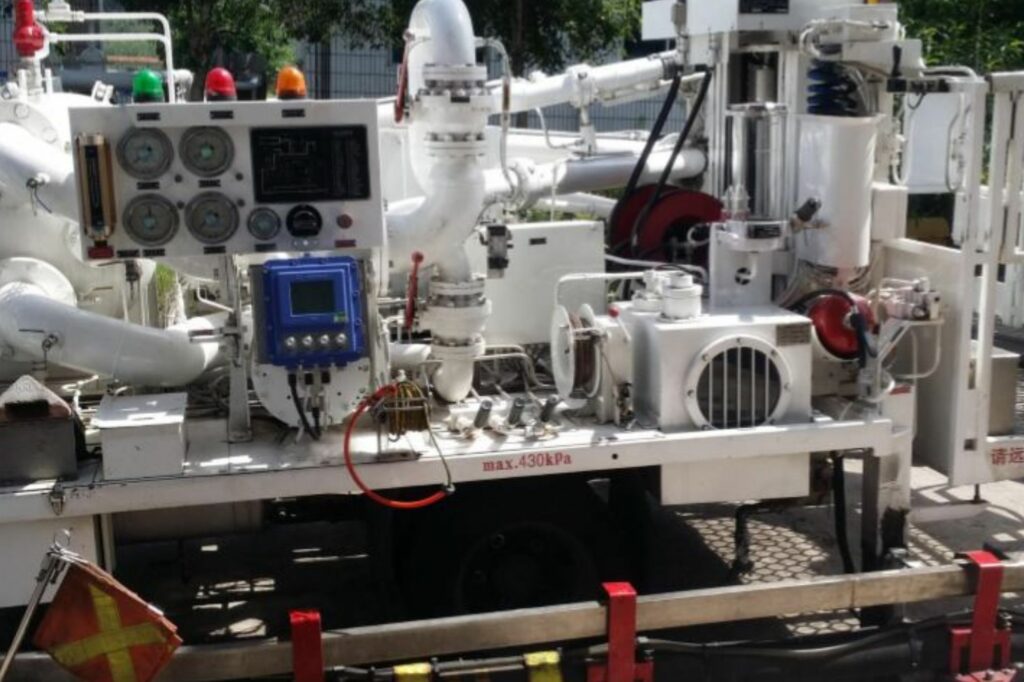
At its core, a digital flow meter takes the physical movement of liquid passing through a pipe and translates it into an electronic reading. Instead of mechanical wheels turning to show the total volume, an electronic LCD screen instantly displays the current flow rate and the total amount dispensed.
How Does a Digital Flow Meter Work?
Even the most advanced digital meters usually rely on proven mechanical engineering to capture the liquid. Here is the simple three-step process of how they work:
- The Mechanical Core: Inside the pipe, a physical mechanism—like the interlocking gears in a positive displacement meter—is pushed by the flowing liquid.
- The Sensor (The Bridge): A sensor or magnetic pickup acts as a bridge between the mechanical parts and the digital brain. Every time the internal gears complete a rotation (representing a specific volume of liquid), the sensor generates an electronic pulse.
- The Digital Brain: The electronic display receives these pulses, calculates the math instantly, and shows the clear, easy-to-read numbers on a lit screen.
Why Upgrade to a Digital Flow Meter?
Switching from a mechanical dial to a digital display offers several massive advantages for your daily operations:
- No More Guesswork: Digital screens are exact. You don’t have to squint at a physical dial to figure out if you pumped 100.5 liters or 100.6 liters. The screen tells you precisely what moved through the pipe.
- Flow Rate Monitoring: Most mechanical dials only show the total volume pumped. A Digital Flow Meter will simultaneously show you the flow rate (e.g., liters per minute), helping you spot pump issues or blockages immediately.
- Easy Resets: Digital meters allow operators to easily reset the “batch” total to zero with the push of a button before the next transfer, while still keeping a hidden “lifetime” total for management to review.
- System Integration: Digital meters can be wired into central control systems, allowing managers to monitor fluid transfers from a computer in a completely different building.
Top Digital Solutions from fcmeter.com
A digital display is only as accurate as the meter underneath it. Backed by the industrial expertise of PT Ferindo Energi Instrumen, we pair cutting-edge digital registers with our most robust mechanical meters to give you the best of both worlds.
1. High-Precision Digital Meters (FCM & FCO Series)
You don’t have to sacrifice the legendary accuracy of a positive displacement meter to get a digital screen. Our FCM Series and FCO Series (Oval Gear) meters can be equipped with advanced digital registers. This gives you heavy-duty performance for viscous fuels and oils, topped with a crystal-clear electronic display.
2. Digital Fuel Dispensers
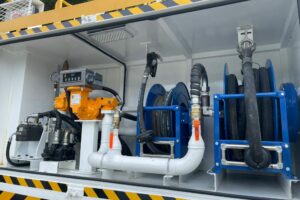
If you are managing a fleet, you need a complete refueling station. Our Fuel Dispensers feature high-security digital preset controllers linked to internal digital flow meters. Operators can simply type in “50 Liters” on the digital keypad, and the system will pump exactly that amount before shutting off automatically.
3. Essential System Protectors: Strainers and Air Eliminators
Digital meters are highly sensitive instruments. To ensure your digital readings stay perfectly accurate, you must protect the internal mechanisms. Always install one of our heavy-duty Strainers upstream to block rust and debris. Pairing it with an Air Eliminator ensures your digital screen is only counting pure liquid, not pockets of air.